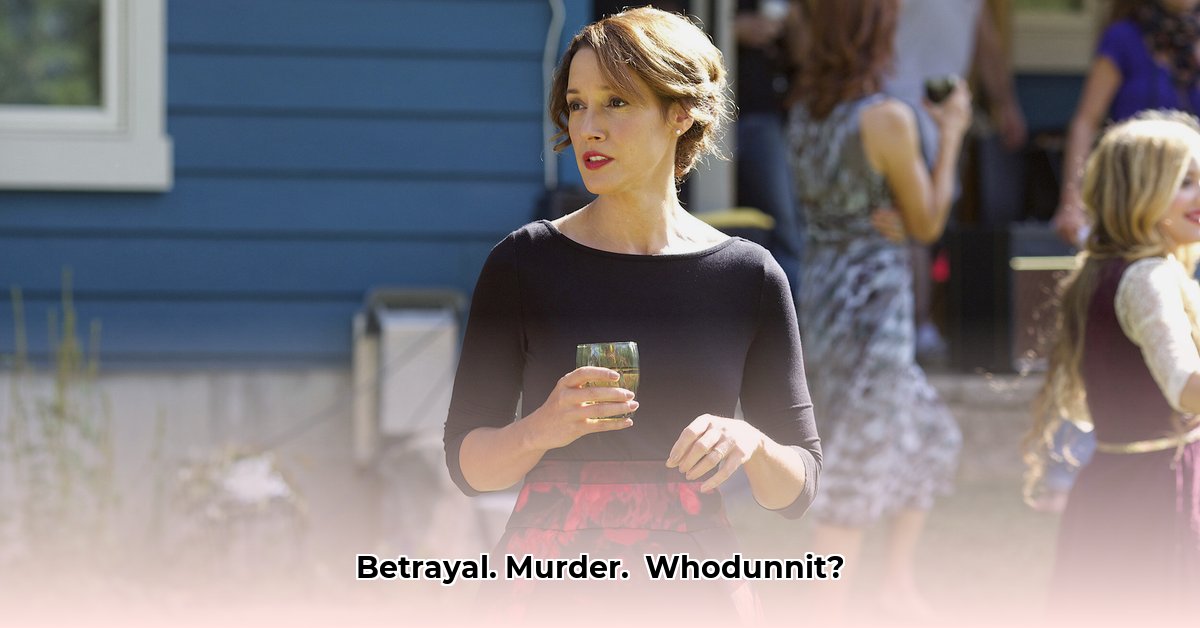
A Wife's Nightmare: A Deep Dive into Ambiguity and Audience Engagement
"A Wife's Nightmare" isn't your typical psychological thriller. It eschews easy answers, opting instead for a deeply unsettling ambiguity that has sparked intense debate among critics and audiences alike. This analysis will explore the film's narrative choices, thematic explorations, and audience reception to understand why its unresolved ending resonates so powerfully, even amidst mixed reviews. We will delve into the reasons behind its continued popularity and examine how it both adheres to and subverts the conventions of the psychological thriller genre.
A Seemingly Idyllic Life, Fractured
The film opens with a seemingly perfect marriage, showcasing a picture of domestic bliss. However, this façade quickly crumbles as subtle hints of unease and discord emerge. The wife, our protagonist, begins to notice discrepancies and unsettling behaviors in her husband, leaving both her and the audience questioning the nature of reality and the reliability of her perception. This deliberate slow burn creates a palpable tension, drawing viewers into the increasingly uncertain narrative. What, we are asked, is truly happening? Is it a genuine threat, or a manifestation of something far more insidious?
Trust Betrayed: Exploring the Core Themes
Beyond the suspense, "A Wife's Nightmare" delves into the complex dynamics of trust, deception, and the fragility of relationships. The film expertly utilizes the unreliable narrator trope, challenging our understanding of events and forcing us to actively participate in interpreting the unfolding story. Are we witnessing a genuine threat, or is the wife's perspective clouded by psychological manipulation or trauma? This uncertainty is a central element of the narrative’s strength, mirroring the very real complexities of identifying and escaping abusive relationships. The film presents a disturbingly realistic portrayal that resonates far beyond its fictional context. The question becomes, how much can we trust what we see?
Narrative Structure: A Symphony of Suspense
The film's narrative structure is deliberately crafted to heighten suspense. Flashbacks and foreshadowing are strategically employed, not merely as plot devices, but as tools to build a cumulative sense of dread and uncertainty. The pacing is meticulous, allowing the tension to simmer and build gradually, drawing the audience deeper into the wife's growing paranoia. Each scene contributes to the overall puzzle, each clue adding to our own analysis of the seemingly unraveling reality.
The Ambiguous Ending: Fueling the Debate
The film's conclusion is far from a traditional resolution. Instead, it offers a deliberate ambiguity, leaving the audience to grapple with multiple plausible interpretations. One could argue the ending suggests… [Insert a plausible interpretation focusing on thematic elements without revealing specific plot points]. Another equally valid reading could point towards… [Offer a different interpretation, again emphasizing thematic implications]. This lack of definitive closure is not a flaw but a feature, sparking ongoing conversations and analyses among viewers and critics alike. The film, we realize, ends not with an answer but with a question.
Audience Engagement: A Triumph Despite Mixed Reviews
Critical reception to "A Wife's Nightmare" has been decidedly mixed. Some praise its masterful suspense and the lead actress's powerful performance, while others criticize the lack of a clear resolution. Despite these opposing viewpoints, the film’s audience engagement remains remarkably high. Why? The ambiguity itself is a source of continued fascination. It isn’t closure the audience craves, but a thought-provoking experience, a compelling narrative that lingers in the mind long after the credits roll. The film taps into primal fears regarding betrayal, manipulation, and the very perception of reality.
Genre Conventions: A Calculated Departure
"A Wife's Nightmare" deftly utilizes the conventions of the psychological thriller genre, employing suspense and paranoia to create a compelling narrative. However, its departure from the genre's typical neat resolution is its unique selling point, highlighting the subjective nature of reality and the inherent uncertainty of abusive situations. The film avoids cheap jump scares, instead relying on a slow-burn approach that heightens the impact of the ambiguous conclusion. It’s a calculated risk, one that has proven remarkably effective in engaging audiences.
Conclusion: A Lasting Impact
The enduring appeal of "A Wife's Nightmare" lies not only in its suspenseful plot but also in its exploration of deeply human themes. The film confronts universal anxieties regarding trust, relationships, and the complexities of psychological manipulation. The powerful exploration of mental health and the perception of reality is a crucial layer that sets the film apart. This resonates powerfully with audiences, fostering discussions that extend far beyond the movie itself. The film’s ambiguous ending, a point of contention for some, becomes its greatest strength, leaving a lingering impact that continues to fuel audience engagement and critical analysis. It's a film that asks more questions than it answers, and in doing so, achieves a lasting power rarely seen in contemporary cinema.
A Wife S Nightmare Ending Spoiler
Content about a wife s nightmare ending spoiler (Auto-generated fallback due to API error).
A Wife S Nightmare Ending Spoiler
Content about a wife s nightmare ending spoiler (Auto-generated fallback due to API error).